The concept of test permeates numerous facets of modern life, often unseen but critically important. From the meticulous validation of safety protocols in engineering to the rigorous assessment of new pharmaceutical compounds, the pursuit of reliable test results drives innovation and safeguards well-being. Understanding the principles and methodologies behind effective test is crucial for fostering trust in products, processes, and systems.
Globally, adherence to standardized test procedures is paramount for international trade and regulatory compliance. Organizations like the International Organization for Standardization (ISO) develop and maintain standards that ensure consistency and comparability of test data across different countries and industries. The absence of robust testing can lead to significant economic losses, environmental damage, and – most importantly – risks to human life.
The evolution of testing techniques has been intrinsically linked to technological advancements. From basic visual inspections to sophisticated data analytics and machine learning-powered predictive modeling, testing methodologies continue to become more precise, efficient, and capable of addressing increasingly complex challenges.

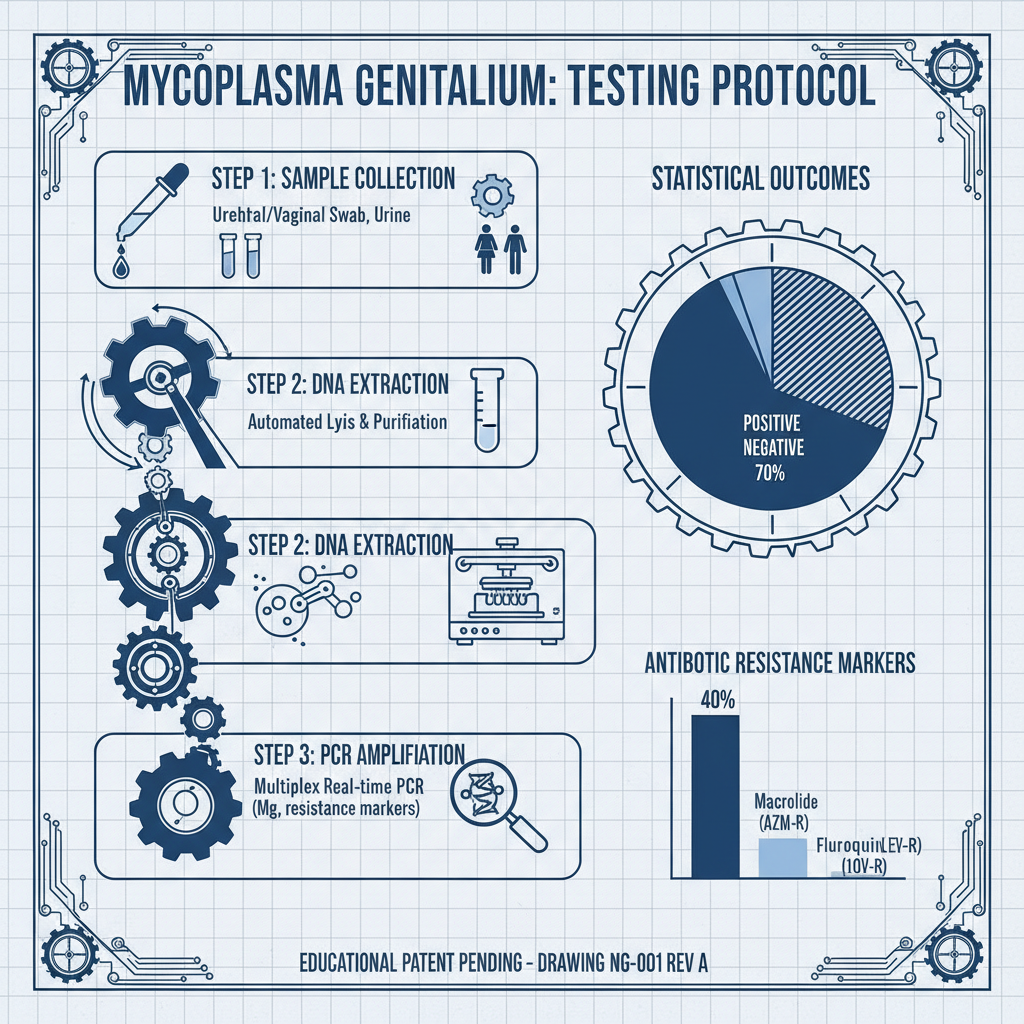
The importance of rigorous test cannot be overstated. It forms the foundation of quality control, risk management, and continuous improvement across diverse sectors. Failure to adequately test can result in costly recalls, legal liabilities, and damage to brand reputation.
Furthermore, comprehensive testing fosters innovation by providing valuable data and insights that drive product development and process optimization. It is an integral part of ensuring that solutions meet intended performance criteria and deliver tangible benefits to end-users.
Implementing a comprehensive testing strategy yields numerous benefits, including reduced product defects, enhanced reliability, improved customer satisfaction, and minimized risks. By identifying and addressing potential issues early in the development lifecycle, organizations can save significant costs associated with rework, recalls, and reputational damage. Thorough testing also fosters innovation and builds trust with stakeholders.
Automated testing utilizes software tools to execute test cases and compare results against expected outcomes, while manual testing involves human testers performing tests and analyzing results. Automated testing is ideal for repetitive tasks, regression testing, and large-scale deployments, while manual testing is better suited for exploratory testing, usability testing, and complex scenarios requiring human judgment.
Common challenges include limited resources, tight deadlines, evolving requirements, and inadequate test coverage. These can be overcome by prioritizing test cases, leveraging automation tools, adopting agile methodologies, and fostering collaboration between development and testing teams. Investing in training and skill development for testing personnel is also crucial.
Testing plays a vital role in identifying and mitigating security vulnerabilities in software applications. Security testing techniques, such as penetration testing, vulnerability scanning, and code review, help uncover weaknesses that could be exploited by attackers. By addressing these vulnerabilities proactively, organizations can protect sensitive data and prevent cyberattacks.
Test data management involves creating, maintaining, and securely managing the data used for testing purposes. High-quality test data is essential for accurate and reliable test results. Effective test data management practices include data masking, data subsetting, and data generation, ensuring compliance with privacy regulations and protecting sensitive information.
Organizations can measure the effectiveness of their testing efforts using metrics such as defect density, test coverage, test execution rate, and customer satisfaction. These metrics provide insights into the quality of the software, the efficiency of the testing process, and the overall impact on business outcomes. Regularly monitoring and analyzing these metrics enables continuous improvement of testing practices.
In conclusion, rigorous test is not merely a procedural step, but a fundamental pillar of innovation, reliability, and trust. From ensuring the safety of critical infrastructure to driving advancements in healthcare and technology, effective testing is essential for navigating the complexities of the modern world. Embracing a culture of continuous testing and investing in cutting-edge methodologies will be paramount for organizations seeking to thrive in an increasingly competitive landscape.
Looking ahead, the integration of AI, machine learning, and automation will continue to revolutionize the field of test. By leveraging these technologies and fostering collaboration between developers, testers, and stakeholders, we can unlock new levels of efficiency, accuracy, and ultimately, deliver solutions that meet the evolving needs of society. Visit our website for more information: www.gyfsilicone.com