February 26, 2026
Extruded silicone tube is a versatile product used across a wide range of industries due to its unique properties, including flexibility, temperature resistance, and biocompatibility. From medical devices to automotive components, the applications are extensive. This article will explore the characteristics, applications, and benefits of extruded silicone tubing, providing a comprehensive overview for professionals and those seeking a reliable tubing solution. Understanding the nuances of silicone tubing is key to selecting the right product for your specific needs. GYF Silicone offers a diverse range of high-quality extruded silicone tubing to meet various industry requirements.
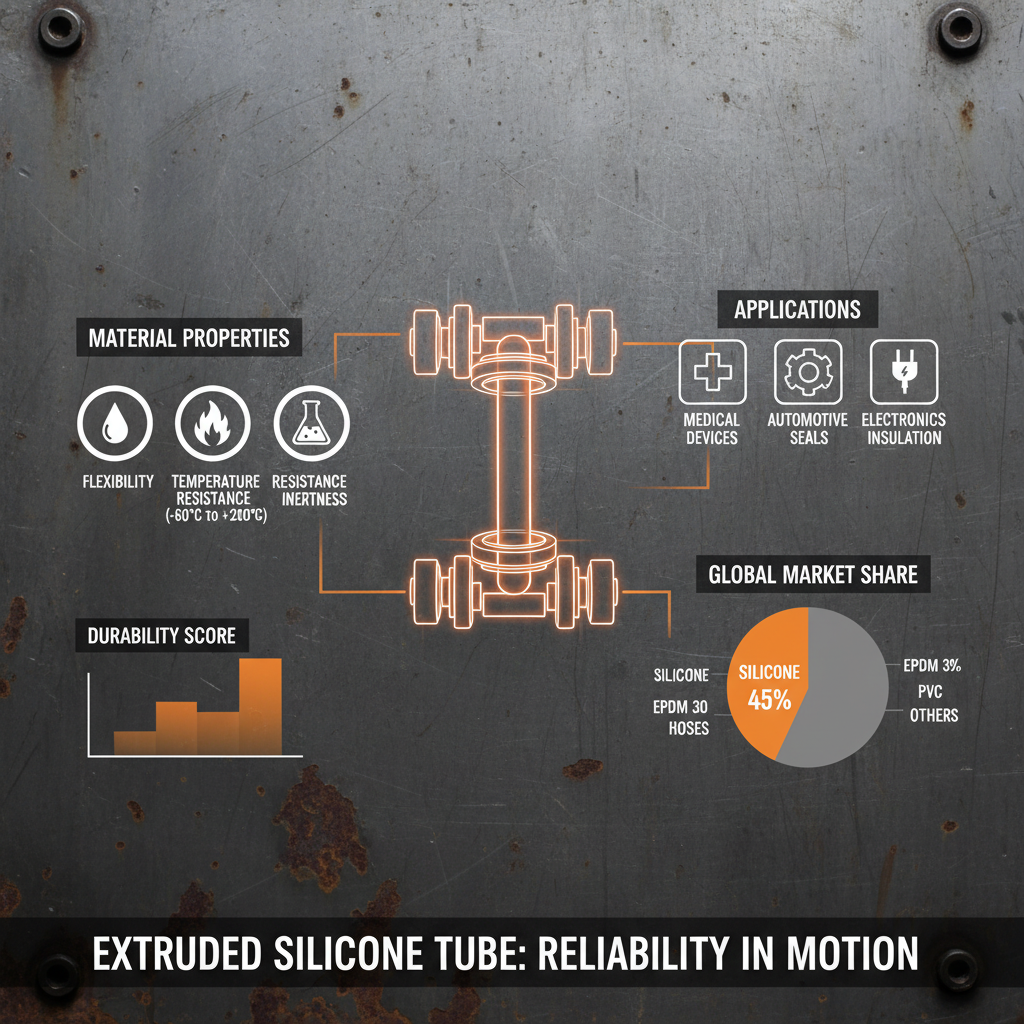
Silicone tubing, manufactured through an extrusion process, possesses several advantageous characteristics. Its inherent flexibility allows for easy routing and connection in tight spaces. The material exhibits excellent resistance to extreme temperatures, ranging from -60°C to +250°C, making it suitable for both hot and cold environments. Furthermore, silicone is biocompatible, meaning it doesn't react negatively with biological tissues, making it a preferred choice in medical and pharmaceutical applications. It also boasts excellent resistance to UV radiation, chemicals, and weathering. The extrusion process allows for precise control of dimensions and wall thickness, ensuring consistent performance.
Key Highlights: Excellent flexibility, temperature resistance, biocompatibility, UV resistance, chemical resistance, and dimensional accuracy.
The versatility of extruded silicone tube translates into its widespread use across diverse industries. In the medical industry, it’s used in peristaltic pumps, drug delivery systems, and catheters. The automotive sector utilizes it for coolant hoses, vacuum lines, and turbocharger ducts. The food and beverage industry relies on its hygienic properties for dispensing and transfer applications. Other applications include laboratory equipment, industrial machinery, and even household appliances. Its ability to handle various fluids and gases, along with its durability, makes it an invaluable component in many manufacturing processes. GYF Silicone caters to these diverse needs with custom extrusion capabilities.
Industry Applications:
• Medical: Catheters, peristaltic pumps, drug delivery systems
• Automotive: Coolant hoses, vacuum lines, turbocharger ducts
• Food & Beverage: Dispensing and transfer applications
• Laboratory: Analytical instrumentation, fluid transfer
While all silicone tubing shares core characteristics, different grades and materials offer varying levels of performance. Platinum-cured silicone tubing is generally considered higher quality, offering improved clarity, reduced outgassing, and enhanced biocompatibility compared to peroxide-cured tubing. Reinforced silicone tubing, featuring an embedded mesh or braid, provides increased pressure resistance. Choosing the appropriate grade depends on the specific application requirements. The table below outlines a comparison of common silicone tubing materials.
Choosing a reputable supplier like GYF Silicone ensures access to high-quality extruded silicone tube tailored to your specific needs. We offer custom extrusion capabilities, allowing for precise control over dimensions, colors, and materials. Our commitment to quality control guarantees consistent performance and reliability. We also provide expert technical support to assist you in selecting the optimal tubing solution for your application. Benefit from competitive pricing, fast turnaround times, and exceptional customer service.
Extruded silicone tube offers a unique combination of properties that make it ideal for a vast range of applications. Understanding the different grades, materials, and manufacturing processes is crucial for selecting the right tubing for your specific needs. GYF Silicone is committed to providing high-quality, custom-extruded silicone tubing solutions to meet the diverse needs of our customers. Invest in a reliable tubing solution and experience the benefits of superior performance and durability.
The wall thickness of extruded silicone tubing can vary significantly depending on the application. Typically, wall thicknesses range from 0.8mm to 6.4mm. Thinner walls are suitable for applications requiring flexibility and lower pressure resistance, such as medical tubing for intravenous fluids. Thicker walls are used in applications demanding higher pressure resistance, like coolant hoses in automotive engines. GYF Silicone offers customized wall thickness options to meet specific customer requirements. Factors like internal diameter and the fluid being transported will influence the optimal wall thickness selection.
Yes, extruded silicone tubing can be sterilized using various methods, including autoclaving, gamma irradiation, and ethylene oxide (EtO) sterilization. However, the sterilization method should be compatible with the specific silicone grade. Platinum-cured silicone generally exhibits better resistance to sterilization processes compared to peroxide-cured silicone. It’s crucial to verify the sterilization compatibility with the tubing manufacturer before undergoing sterilization. Proper sterilization ensures the tubing remains free from contaminants in critical applications like medical devices.
Extruded silicone tubing is available in a wide range of colors, from standard options like clear, white, and black to custom colors to meet specific branding or identification requirements. The color is achieved by adding pigments during the extrusion process. GYF Silicone offers a comprehensive color matching service to ensure accurate color reproduction. Color can also be used to differentiate between tubing types in a system, enhancing operational efficiency.
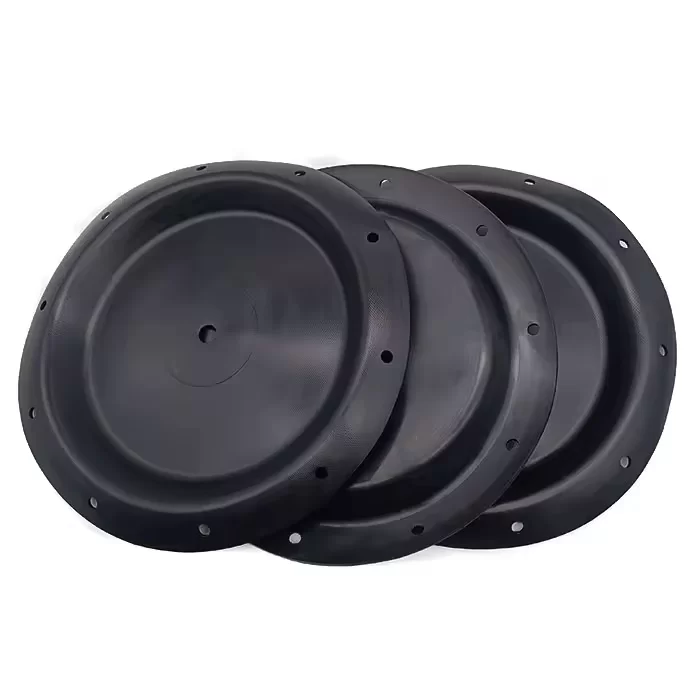
Long Service Life Pneumatic Diaphragm Pump Silicone Rubber Diaphragm
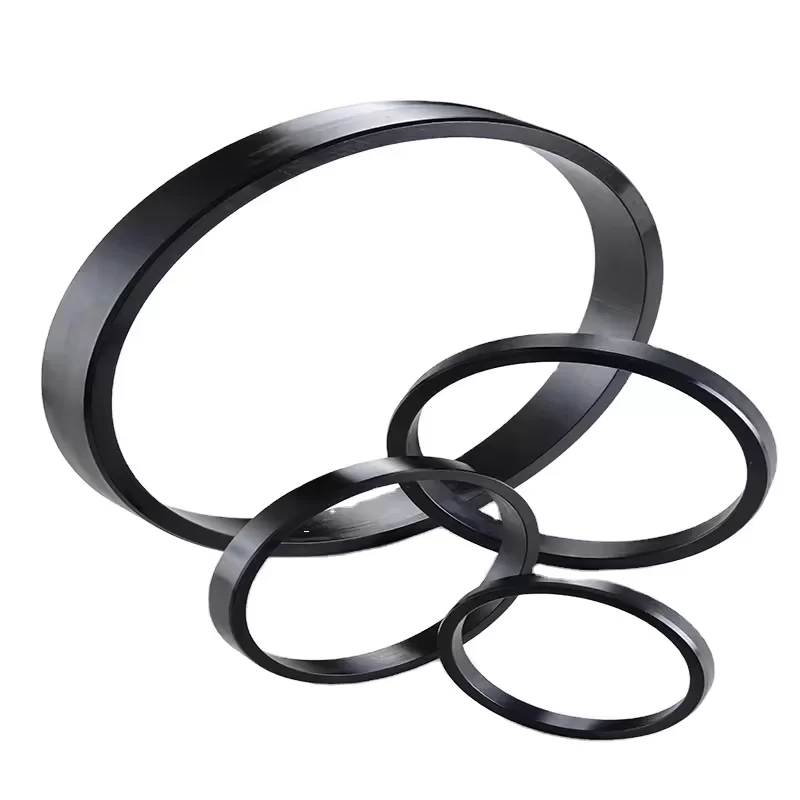
Rubber SealNBR Ring for Hydraulic Cylinders Piston
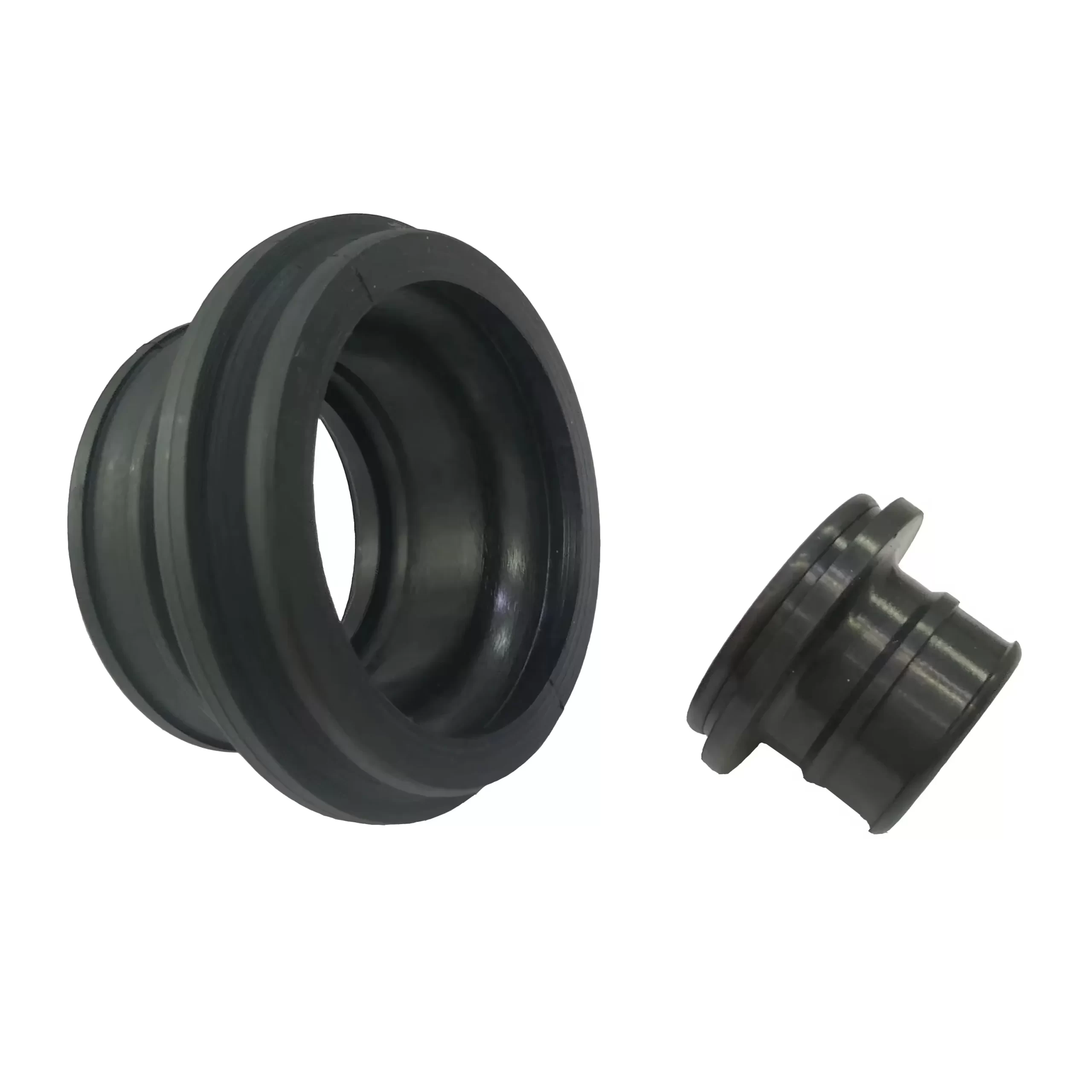
Similar MONO Progressive Cavity Pump Pin Seal
Apr 17, 2026
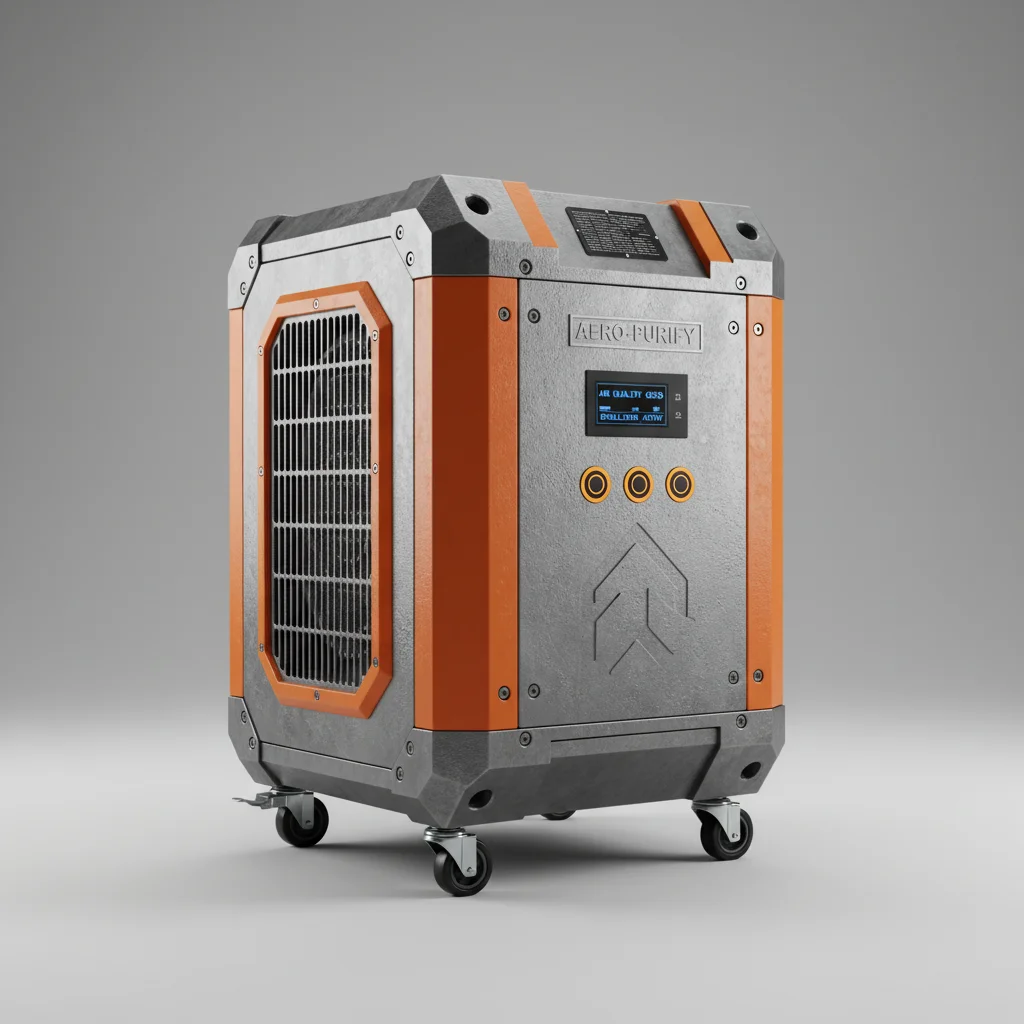
Advanced Air Sterilization Machine for Indoor Air Quality and Safety