February 27, 2026
Silicone door strips are versatile sealing solutions widely used in a variety of applications, from residential homes to industrial facilities. They offer excellent weather resistance, flexibility, and durability, making them a superior alternative to traditional rubber or foam strips. This article delves into the benefits, applications, types, and considerations when choosing silicone door strips. We’ll explore how these strips contribute to energy efficiency, noise reduction, and overall building protection. Choosing the right strip can significantly enhance the performance and longevity of your doors and windows.
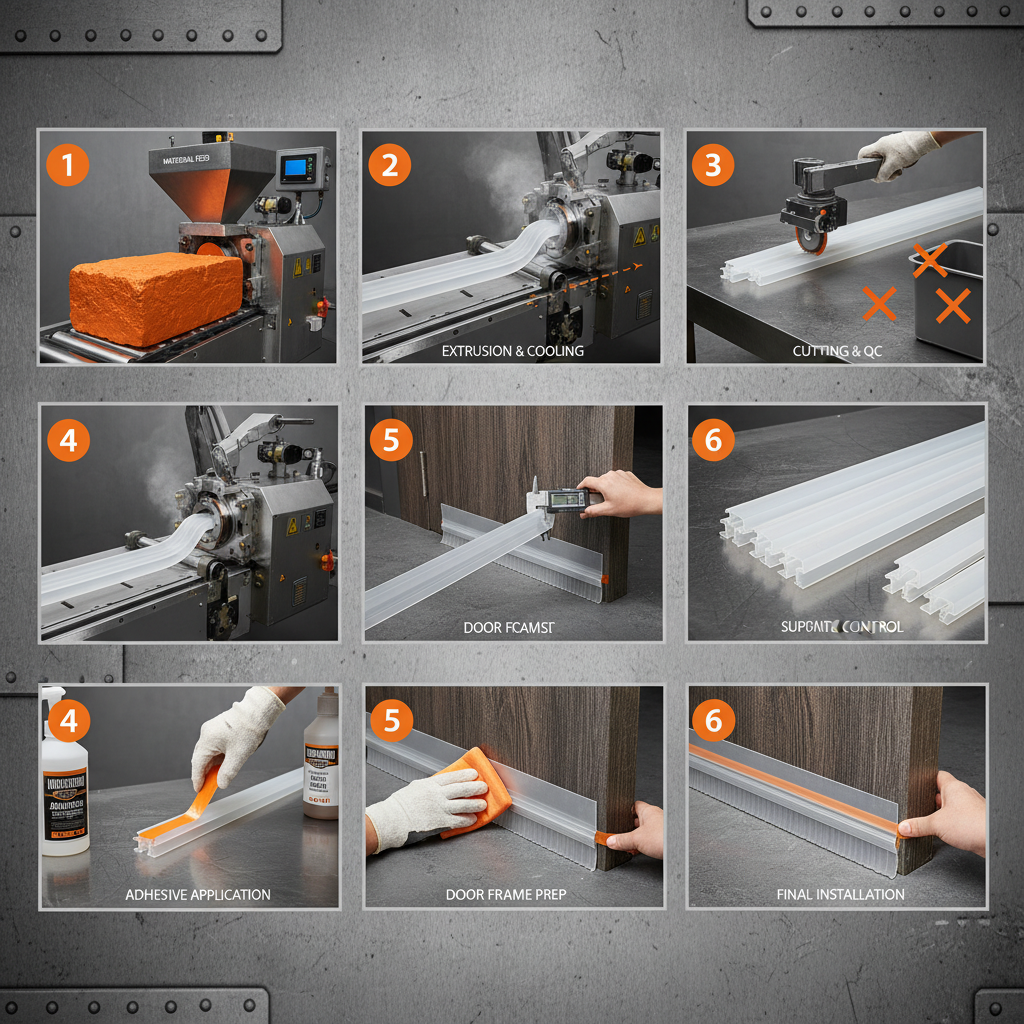
Unlike traditional materials, silicone boasts exceptional resistance to extreme temperatures, UV radiation, and ozone. This means they won’t crack, fade, or degrade over time, even in harsh weather conditions. Furthermore, silicone is a non-toxic and inert material, making it safe for use in food processing facilities, hospitals, and other sensitive environments. Their flexibility allows for a tight seal around irregular surfaces, minimizing air and water infiltration. Investing in high-quality silicone door strips translates to long-term cost savings through reduced energy consumption and maintenance.
Key Benefits: Exceptional temperature resistance, UV and ozone resistance, flexibility, non-toxic, and long-lasting durability.
Silicone door strips find applications across diverse industries. In residential buildings, they seal gaps around doors and windows to prevent drafts, reduce noise, and improve energy efficiency. Commercial buildings utilize them for maintaining consistent temperatures and protecting against the elements. Industrial applications include sealing refrigerators, ovens, and other equipment requiring high-temperature resistance. They are also commonly used in automotive manufacturing for sealing doors and trunks. The versatility of GYF silicone door strips makes them suitable for a broad spectrum of needs.
Common Application Areas:
• Residential Doors & Windows
• Commercial Buildings
• Industrial Equipment (Ovens, Refrigerators)
• Automotive Industry
Silicone door strips come in various profiles and sizes to accommodate different door and window designs. Common types include:
Choosing the appropriate silicone door strip depends on several factors. First, consider the application environment: will the strip be exposed to extreme temperatures, UV radiation, or harsh chemicals? Second, measure the gap you need to seal to determine the correct strip width and thickness. Third, evaluate the surface texture and choose a strip with sufficient flexibility to conform to the contours. Finally, consider the color and aesthetic requirements to ensure the strip blends seamlessly with your existing design. GYF Silicone offers custom sizing and color options to meet specific project needs.
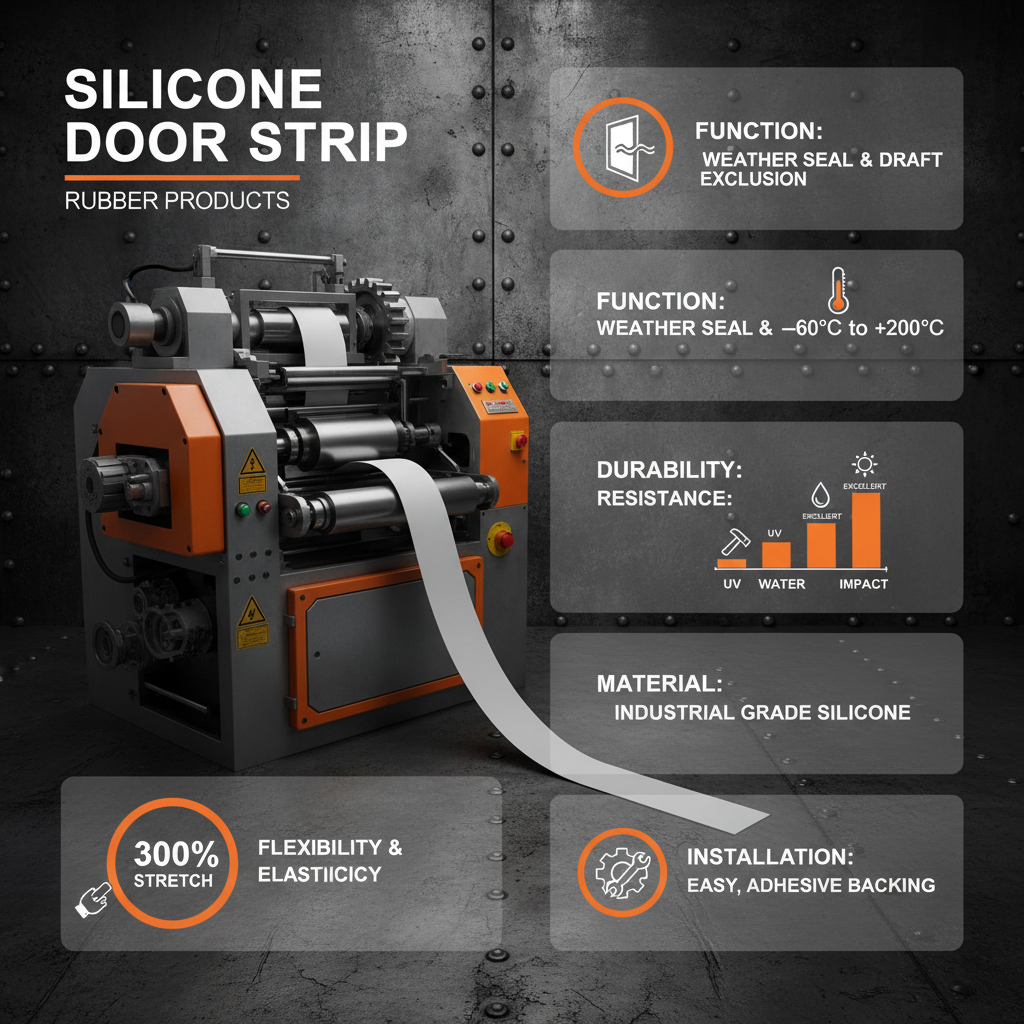
Installing silicone door strips is typically straightforward, often requiring only adhesive or a pressure-fit application. Ensure the surface is clean and dry before applying the strip. For optimal adhesion, use a silicone-specific adhesive. To maintain the strips’ effectiveness, periodically clean them with mild soap and water to remove dirt and debris. Avoid using harsh chemicals or abrasive cleaners, as these can damage the silicone. With proper installation and maintenance, silicone door strips will provide years of reliable performance.
Investing in silicone door strips from a reputable supplier like GYF Silicone is a smart choice for improving energy efficiency, reducing noise, and protecting your property. Their durability, versatility, and ease of installation make them a cost-effective solution for a wide range of applications. Don't compromise on quality – choose silicone for long-lasting performance and peace of mind.
Silicone door strips are remarkably durable, typically lasting 10-20 years with proper care. Their resistance to UV, ozone, and temperature extremes significantly extends their lifespan compared to rubber or foam alternatives. However, lifespan can vary based on exposure to harsh chemicals, abrasion, and frequency of use. Regular inspection for cracks or tears is recommended to ensure continued performance and safety. Replacing strips before they completely fail prevents potential air or water leaks and maintains optimal sealing capabilities.
While it's technically possible to paint silicone, it's generally not recommended. Paint adhesion to silicone can be challenging, and the paint may peel or crack over time due to the silicone's flexibility. If painting is necessary, use a silicone-specific primer and paint designed for flexible materials. Thoroughly test the paint in an inconspicuous area first to ensure compatibility and adhesion. Choosing colored silicone strips during the initial purchase is often a more practical and durable solution.
Yes, silicone is considered a more environmentally friendly material compared to many plastics and rubbers. It's a stable and inert material that doesn't leach harmful chemicals into the environment. Silicone is also recyclable, although recycling facilities capable of processing silicone are not yet widely available. Its long lifespan reduces the need for frequent replacements, further minimizing environmental impact. GYF Silicone is committed to responsible manufacturing practices.
Accurately measuring the gap you need to seal is crucial. Use a measuring tape to determine the width and height of the opening. For width, measure the distance between the door/window and the frame. The silicone strip should be slightly wider than this gap to ensure a tight seal. For height, choose a strip that adequately covers the opening without being excessively tall. Consider the strip's profile – U-channel strips require a different measurement approach than fin strips. If you're unsure, consult with a specialist at GYF Silicone for personalized recommendations.
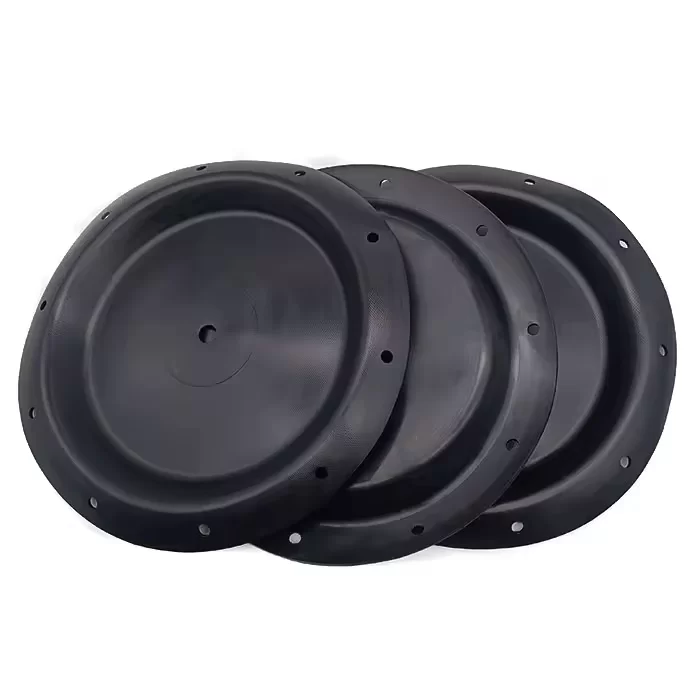
Long Service Life Pneumatic Diaphragm Pump Silicone Rubber Diaphragm
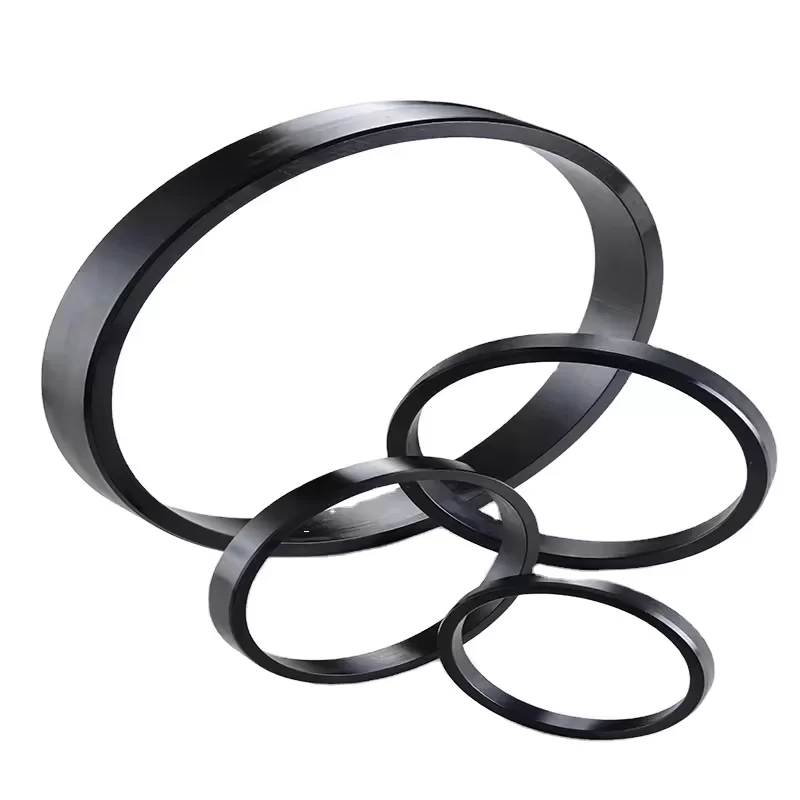
Rubber SealNBR Ring for Hydraulic Cylinders Piston
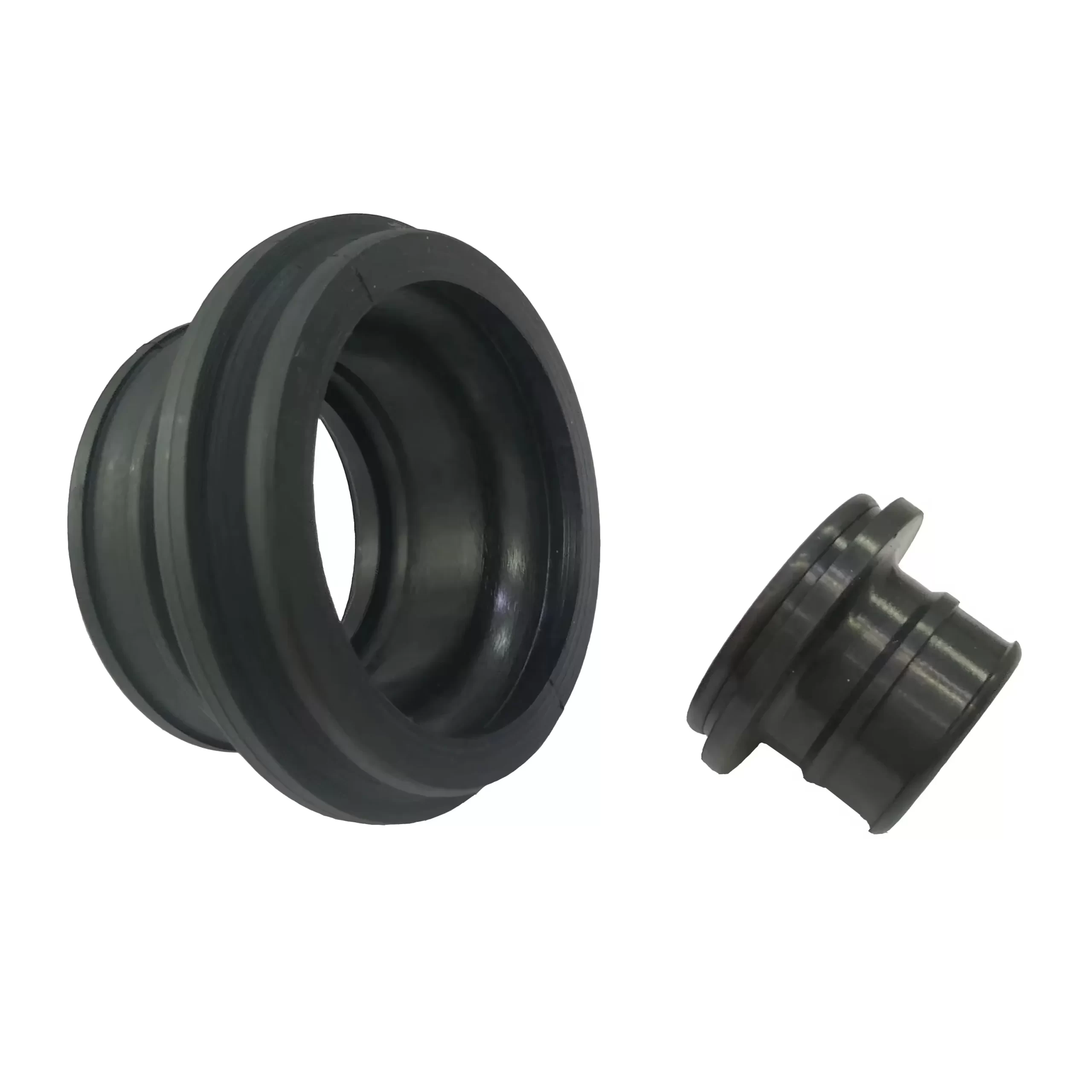
Similar MONO Progressive Cavity Pump Pin Seal

Apr 17, 2026
Advanced Air Sterilization Machine for Indoor Air Quality and Safety